Green Bay Packers vs Dallas Cowboys Match Player Stats
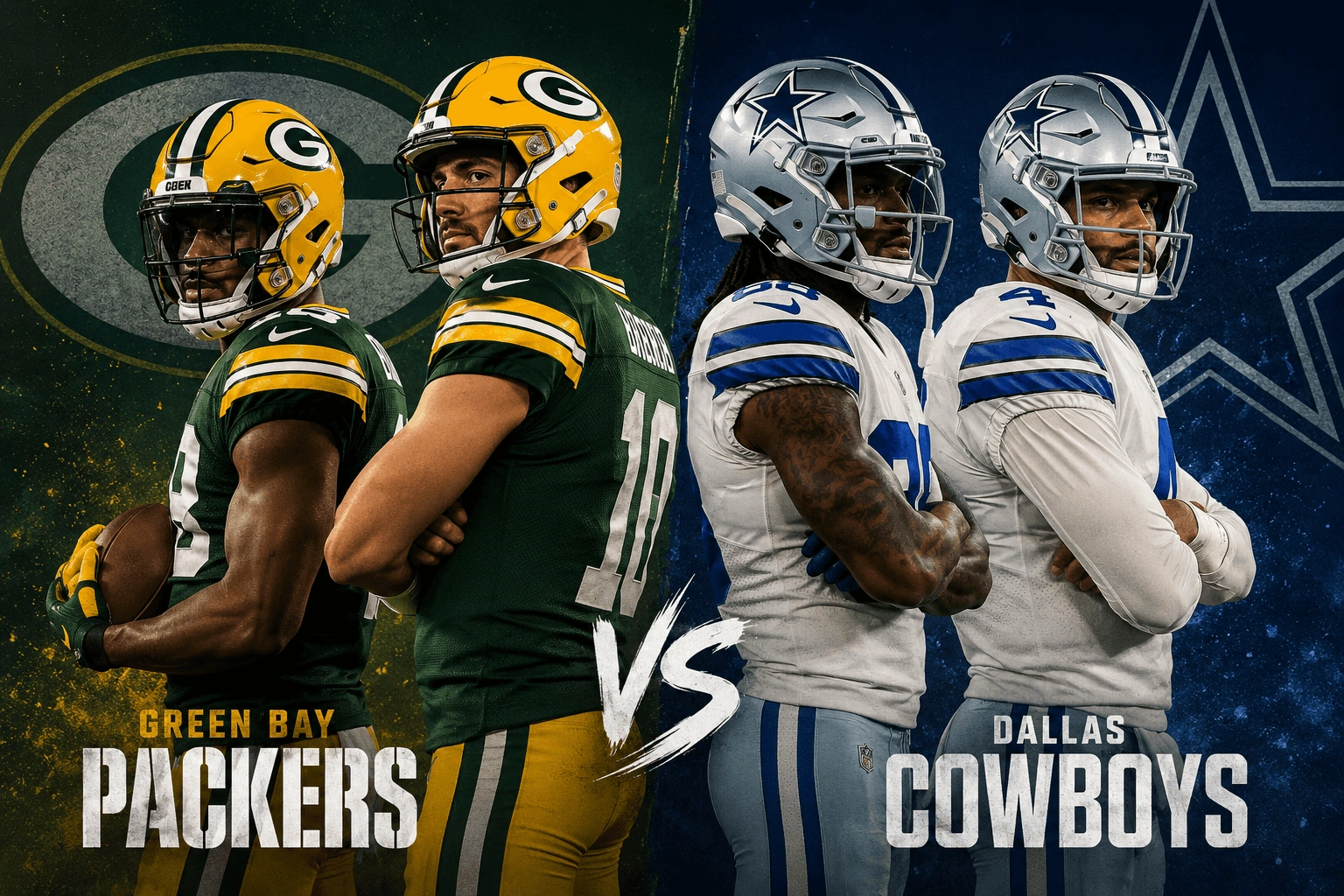
The rivalry behind Green Bay Packers vs Dallas Cowboys Match Player Stats continues to attract NFL fans because every meeting between these historic franchises delivers drama, elite quarterback play, explosive offense, and defining postseason moments. Whether it is a regular season showdown or a playoff battle, fans search for detailed player performances, tactical breakdowns, and game changing statistics that explain how each contest unfolded.
The matchup between the Green Bay Packers and the Dallas Cowboys is more than another football game. It is a collision between two iconic NFL brands with decades of memorable moments, legendary quarterbacks, and passionate fan bases. From offensive efficiency to defensive turnovers, player stats often reveal the real story behind the final score.
This article provides a complete breakdown of key performances, advanced analysis, quarterback efficiency, rushing impact, receiving dominance, defensive contributions, coaching adjustments, and long term implications surrounding this famous NFL matchup.
Why This NFL Rivalry Still Matters
The Packers and Cowboys have built one of the NFL’s most recognized rivalries through decades of playoff battles and nationally televised games. Fans do not simply watch these teams for entertainment. They study player stats because individual performances in this matchup frequently shape playoff narratives and season momentum.
Several factors make this rivalry unique:
- Historic playoff meetings
- Elite quarterback matchups across generations
- High scoring offensive systems
- Intense national media coverage
- Strong fan engagement across the United States
When analysts review games between these franchises, player statistics become essential for understanding momentum swings, tactical decisions, and overall team efficiency.
Green Bay Packers vs Dallas Cowboys Match Player Stats Breakdown
One reason fans search heavily for Green Bay Packers vs Dallas Cowboys Match Player Stats is the quality of star talent involved. Quarterbacks, receivers, pass rushers, and defensive backs often produce season defining performances in these contests.
Below is a detailed examination of the most important statistical categories typically shaping these games.
Quarterback Performance Analysis
Quarterback play almost always determines the outcome when these teams meet.
For Green Bay, efficient passing, deep ball accuracy, and pocket mobility are critical strengths. The Packers traditionally rely on timing routes, play action concepts, and aggressive vertical passing.
Dallas often counters with balanced offensive execution, quick reads, and strong protection schemes that allow the quarterback to attack multiple coverage levels.
Key quarterback metrics that matter include:
| Statistic | Importance |
| Completion Percentage | Measures efficiency |
| Passing Yards | Indicates offensive movement |
| Touchdowns | Reflects scoring impact |
| Interceptions | Reveals decision making |
| Passer Rating | Overall quarterback efficiency |
| Third Down Conversion Rate | Sustains drives |
In recent meetings, quarterback pressure has played a massive role. When Dallas generates early pass rush pressure, Green Bay’s offensive rhythm can slow significantly. Conversely, when the Packers establish protection stability, their passing game becomes extremely dangerous.
Running Back Contributions
Rushing production frequently decides time of possession battles.
The Packers traditionally favor zone running concepts that stretch defensive fronts horizontally before attacking interior gaps. Dallas typically emphasizes physical downhill rushing combined with explosive perimeter runs.
Important rushing stats include:
- Yards per carry
- Explosive runs over 15 yards
- Red zone rushing touchdowns
- Broken tackles
- First downs created
A productive running game accomplishes several objectives:
- Controls game tempo
- Reduces defensive fatigue
- Opens play action opportunities
- Limits opposing offensive possessions
When either team surpasses 130 rushing yards, the probability of victory historically increases significantly.
Wide Receiver and Tight End Impact
Modern NFL games often revolve around receiving efficiency, and this rivalry is no exception.
Elite receiver performances typically influence:
- Field position
- Explosive scoring plays
- Defensive adjustments
- Coverage mismatches
What Makes Receiving Stats Important
Fans should evaluate more than raw receiving yards. Advanced context matters.
Key receiving metrics include:
| Receiving Metric | Why It Matters |
| Catch Rate | Reliability |
| Yards After Catch | Open field effectiveness |
| Target Share | Offensive importance |
| Red Zone Targets | Scoring involvement |
| Explosive Plays | Momentum shifts |
Green Bay often relies on route precision and timing based passing concepts. Dallas frequently incorporates aggressive downfield attacking combined with slot flexibility.
When defensive coordinators fail to adjust coverage effectively, star receivers can dominate entire quarters.
Defensive Player Statistics That Shape Games
Defensive numbers are often overlooked in headline discussions, but they frequently determine outcomes in high pressure games.
Critical Defensive Categories
The most impactful defensive stats include:
- Sacks
- Quarterback pressures
- Tackles for loss
- Interceptions
- Forced fumbles
- Third down stops
- Red zone efficiency
Dallas has historically relied on aggressive pass rushing to disrupt Green Bay’s offensive timing. Green Bay, meanwhile, often focuses on creating disguised coverage looks that force quarterbacks into difficult decisions.
A single turnover frequently changes momentum completely in this rivalry.
Pass Rush Importance
Pressure rate is one of the strongest predictive indicators in modern football analysis.
When defenses consistently pressure opposing quarterbacks:
- Completion percentages decline
- Turnover risk increases
- Deep passing efficiency drops
- Offensive coordinators become more conservative
This is especially true in playoff intensity environments where possessions become more valuable.
Offensive Line Performance Often Decides Everything
Casual fans usually focus on quarterbacks and receivers, but offensive line statistics are among the most important elements in football analysis.
Key offensive line indicators include:
| Offensive Line Metric | Impact |
| Sacks Allowed | Quarterback protection |
| Run Block Win Rate | Rushing effectiveness |
| Pressure Rate Allowed | Pocket stability |
| Penalties | Drive sustainability |
Green Bay’s offensive success often depends on maintaining clean pockets for intermediate passing routes. Dallas thrives when its offensive line controls the line of scrimmage physically.
The winning team usually dominates trench play.
Coaching Adjustments and Tactical Strategy
One of the most fascinating aspects of Packers versus Cowboys games is the tactical chess match between coaching staffs.
Common Strategic Adjustments
Coaches often adjust:
- Blitz frequency
- Coverage disguises
- Tempo management
- Red zone play calling
- Fourth down aggression
Successful coaching adjustments usually appear in second half statistics.
For example:
- Increased rushing attempts may indicate clock control strategy
- Shorter passing routes may reflect pass protection concerns
- Defensive rotation changes may target fatigue management
Football analytics now show that in game adaptability strongly correlates with playoff success.
Historical Statistical Trends
Historical trends help explain why this rivalry generates massive attention every season.
Consistent Patterns Seen Over the Years
Several recurring themes appear in many Packers Cowboys matchups:
High Offensive Output
These games frequently feature:
- Multiple touchdown passes
- Explosive plays
- Fast scoring drives
- Aggressive fourth quarter play calling
Quarterback Efficiency Matters Most
Teams with the better quarterback efficiency rating usually win.
Turnovers Are Decisive
Even elite offenses struggle to overcome multiple turnovers.
Red Zone Execution Separates Winners
Field goals rarely beat elite offenses consistently.
The Role of Momentum and Psychology
Statistics only explain part of football outcomes. Emotional momentum also matters significantly.
In major rivalry games:
- Crowd energy influences communication
- Early turnovers impact confidence
- Big plays alter defensive aggression
- Coaching decisions become more aggressive
Experienced players often discuss how rivalry games feel different from standard regular season matchups.
According to the official National Football League, rivalry games consistently rank among the highest viewed events during the NFL season because of their intensity and historical significance.
Advanced Analytics Behind the Matchup
Modern NFL analysis goes beyond traditional box score statistics.
Important Advanced Metrics
EPA Per Play
Expected Points Added measures how much each play changes scoring probability.
Success Rate
Tracks whether plays achieve efficient yardage relative to down and distance.
Pressure Percentage
Evaluates defensive disruption frequency.
Explosive Play Rate
Measures gains exceeding key yardage thresholds.
These advanced metrics help analysts identify hidden performance advantages not visible in traditional stat sheets.
Special Teams Influence
Special teams are frequently underestimated in football analysis.
Yet many close games between these teams have been impacted by:
- Field position battles
- Punt return yardage
- Long field goals
- Kickoff coverage
- Hidden yardage advantages
Winning hidden yardage often provides major strategic benefits.
Player Matchups Fans Watch Closely
Certain individual battles often define these games.
Cornerbacks vs Elite Receivers
Coverage success determines passing efficiency.
Offensive Tackles vs Edge Rushers
Pass protection consistency impacts quarterback rhythm.
Linebackers vs Tight Ends
Middle field coverage frequently shapes third down conversions.
Safeties vs Deep Passing Attacks
Explosive play prevention becomes critical.
These one on one battles often influence overall statistical outcomes more than casual viewers realize.
How Injuries Affect Player Statistics
NFL games rarely occur with fully healthy rosters.
Injuries impact:
- Snap counts
- Rotational depth
- Explosive speed
- Pass protection chemistry
- Defensive communication
Smart analysts always evaluate player availability before interpreting statistics.
For example, missing offensive linemen can dramatically alter quarterback efficiency even if passing yard totals remain respectable.
Red Zone Efficiency Analysis
One of the most important statistical categories in football is red zone performance.
Why Red Zone Stats Matter
Teams that convert touchdowns consistently inside the 20 yard line usually outperform opponents over time.
Critical red zone stats include:
| Red Zone Metric | Importance |
| Touchdown Percentage | Scoring efficiency |
| Goal to Go Success Rate | Short yardage execution |
| Turnovers Inside 20 | Missed opportunities |
| Red Zone Penalties | Drive killers |
Dallas often emphasizes power football near the goal line, while Green Bay has historically preferred creative passing concepts and misdirection.
Third Down Conversion Battles
Third down success determines possession control.
Why Third Downs Matter
Efficient third down conversion rates:
- Extend drives
- Tire defenses
- Improve scoring opportunities
- Control game flow
Defensively, stopping third downs increases pressure on opposing offenses and often improves field position.
Analytics consistently show third down efficiency strongly correlates with winning percentage.
Fan Reactions and Media Attention
This rivalry receives enormous media coverage because of:
- Historic significance
- National television exposure
- Star player involvement
- Playoff implications
Fans often analyze player stats immediately after games to understand:
- Why momentum shifted
- Which players underperformed
- Coaching decision effectiveness
- Future playoff expectations
Social media discussion also amplifies player performance narratives significantly.
Real Football Insights Casual Fans Miss
Many casual viewers focus exclusively on touchdowns and passing yards, but experienced football analysis goes deeper.
Hidden Factors Influencing Stats
Motion Usage
Pre snap motion reveals defensive coverage structures.
Play Action Efficiency
Successful rushing attacks improve passing opportunities.
Defensive Rotation Depth
Fresh pass rushers create late game advantages.
Tempo Variation
Changing pace disrupts defensive substitutions.
These subtle tactical elements often explain why some players produce exceptional statistics in certain games.
Comparing Offensive Philosophies
Although both teams can score explosively, their offensive philosophies sometimes differ.
Green Bay Approach
- Timing based passing
- Route precision
- Spread formations
- Play action balance
Dallas Approach
- Physical rushing attack
- Vertical passing aggression
- Strong protection schemes
- Tempo variation
Understanding these philosophical differences helps explain player stat distributions.
Defensive Identity Comparison
Defensively, both franchises typically prioritize different strengths.
Packers Defensive Traits
- Coverage disguise
- Opportunistic turnovers
- Situational flexibility
Cowboys Defensive Traits
- Aggressive pass rush
- Pressure creation
- Athletic pursuit speed
The interaction between these systems creates fascinating statistical battles every time they meet.
What Stats Usually Predict the Winner
Historical analysis suggests several predictive indicators.
Strong Winning Indicators
| Statistic | Winning Correlation |
| Turnover Margin | Extremely High |
| Quarterback Rating | High |
| Red Zone Efficiency | High |
| Pressure Rate | Moderate to High |
| Explosive Plays | High |
Teams rarely win this matchup while losing heavily in turnover differential.
Green Bay Packers vs Dallas Cowboys Match Player Stats and Playoff Pressure
The stakes increase dramatically during postseason meetings.
Playoff football changes statistical patterns because:
- Defensive intensity rises
- Possessions become more valuable
- Coaches become more aggressive
- Mistakes become magnified
This explains why efficient quarterback decision making becomes even more important in playoff environments.
Historically, playoff meetings between these teams have produced several iconic performances remembered across NFL history.
The Evolution of NFL Statistical Analysis
Football analysis has changed dramatically over the last decade.
Older analysis focused heavily on:
- Passing yards
- Rushing yards
- Total touchdowns
Modern analysis now includes:
- EPA
- Success rate
- Air yards
- Pressure percentage
- Coverage grades
This deeper evaluation provides far more accurate insight into actual player impact.
Common Misinterpretations of Player Stats
Not all statistics tell the complete story.
Examples of Misleading Numbers
Empty Passing Yards
Late game prevent defenses can inflate yardage totals.
Sack Totals
Pressure consistency matters more than raw sack numbers.
Rushing Totals
Efficiency often matters more than volume.
Tackles
High tackle counts sometimes indicate defensive struggles.
Experienced analysts evaluate context alongside raw production.
Future Outlook for the Rivalry
The future of this rivalry remains extremely bright because both organizations consistently prioritize competitiveness and roster development.
Fans can expect:
- Continued quarterback development
- Faster offensive systems
- More advanced analytics integration
- Aggressive defensive schemes
As NFL strategy evolves, statistical evaluation will become even more sophisticated.
FAQs
Why are Green Bay Packers vs Dallas Cowboys games so popular?
These games involve two historic NFL franchises with passionate fan bases, strong playoff histories, and nationally recognized players.
Which player stats matter most in this rivalry?
Quarterback efficiency, turnover margin, rushing production, red zone success, and defensive pressure rates are usually the most important.
Do turnovers usually decide these games?
Yes. Turnovers frequently create momentum swings and directly influence scoring opportunities.
Why is quarterback pressure so important?
Pressure disrupts timing, increases interception risk, and reduces explosive passing plays.
How do analysts evaluate player performance today?
Modern analysts combine traditional stats with advanced metrics such as EPA, success rate, and pressure percentage.
Are playoff matchups statistically different from regular season games?
Yes. Playoff games typically feature tighter defensive execution, fewer mistakes, and more aggressive coaching strategies.
Also read Houston Texans vs Dallas Cowboys Match
Conclusion
The enduring appeal of Green Bay Packers vs Dallas Cowboys Match Player Stats comes from far more than final scores. Every matchup reveals a complex battle involving quarterback decision making, defensive pressure, offensive efficiency, coaching strategy, and emotional momentum.
Understanding player statistics provides deeper insight into why certain drives succeed, why defenses collapse under pressure, and how elite players influence outcomes during critical moments. Fans who study these numbers gain a much richer appreciation for the tactical depth of NFL football.
As football analytics continue evolving, future matchups between these iconic franchises will likely become even more fascinating to analyze. From advanced metrics to traditional box scores, player performance data remains the clearest window into understanding one of the NFL’s most celebrated rivalries.